Clarity Through Tracking
It’s been a while since I last wrote here. But while my blog has been quiet, my healing hasn’t. Over these past months, the theme that’s emerged for me is simple: clarity. Clarity doesn’t come in one breakthrough—it comes from clearing noise, layer by layer, and learning to track what remains.
Quitting the Shadow Habit

As I’ve mentioned in previous blogs, cigarettes were the backdrop of my life for decades. Ironically, it was an attempt at a “dopamine detox” to finally quit smoking that first led me to discover the benefits of ketosis for my mental health. Unfortunately, the addiction ran deep. Even after experiencing the dramatic relief that ketogenic therapy gave me from bipolar symptoms, smoking still felt impossible to let go.
Before keto, cigarettes fit neatly into a lifestyle of poor health and resignation. Afterward, they became the glaring remnant of a life I was trying to leave behind, but couldn’t. As my health improved in so many areas, smoking turned into a constant question mark—an obstacle that made it harder to trust progress. Was my fatigue from diet? Were sudden crashes due to stress? Or was it simply the smoke in my lungs and bloodstream?
At the end of January 2025, I finally quit. I wish I had a magic-bullet story to tell, but there wasn’t one. Still, I remember feeling particularly firm in my decision after watching a lecture by one of my favorite metabolic teachers, Dr. Ben Bikman.
At the time, I was frustrated by my inability to keep ketones at therapeutic levels, even with strict carb restriction and regular fasting. Then Dr. Bikman released a Metabolic Classroom episode on nicotine’s metabolic effects. It felt like he was speaking directly to the problem I’d been quietly wondering about for years: How much is my smoking habit sabotaging my efforts to restore my metabolic health—and, most importantly, my brain?
See Dr. Bikman’s lecture on the long-term metabolic effects of nicotine here. You can also visit benbikman.com and explore his YouTube channel for more in-depth lectures on the wonders of human metabolism.
To paraphrase his lecture, nicotine is metabolically paradoxical. In the short term, it increases fat burning by raising stress hormones. But chronic exposure flips the script. Nicotine drives inflammation, raises cortisol, impairs mitochondrial fat oxidation, enlarges fat cells, and promotes insulin resistance. Through mechanisms like increased ceramide production and activation of inflammatory receptors (RAGE, TLR4), it creates a vicious cycle of poor glucose control and stalled metabolic healing.
Hearing it laid out this way clarified what I already suspected. My nicotine addiction wasn’t just harming my lungs and heart—it was very likely contributing to higher blood sugar, lower ketones, and the frustrating plateau in my mental health recovery. That realization felt like the last nail in the coffin for cigarettes.
My first day without one was January 29, 2025. I haven’t had a cigarette since. It hasn’t solved everything, but it changed the game. For the first time, I can look at my symptoms without wondering if they’re being sabotaged by a habit I already knew was hurting me. The doubt is gone, and in its place is room to actually see.
The Medication Maze

Medication has been another piece of my search for clarity. In 2020, during the pandemic, I stopped all psychiatric meds on my own. I want to pause here and be clear: I don’t recommend that to anyone. It was unsafe and unsupported.
Looking back, the withdrawal symptoms I had after that DIY taper mostly flew under the radar because I was using cannabis to manage them. For me, cannabis was about as effective as the prescriptions at keeping symptoms barely manageable—but neither cannabis nor the many medications I tried over the years came close to the cognitive balance and mood stability I’ve experienced with ketogenic therapy. Hindsight is 20/20: before I knew what was possible with diet, meds and weed were all I knew.
Like other meds, though, cannabis builds tolerance. By 2022, I was done with both habits—the smell, the cold, the health toll, the expense. I deep-dived into addiction science (thank you, Dr. Anna Lembke) and planned a full “dopamine detox” while my partner was away on a business trip so I could be grumpy for two weeks without my vices in peace. I cut everything: cigarettes, cannabis, most phone use—and even carbohydrates for a short trial. I’d seen a few “carnivore” folks and thought it was wild, but I figured a two-week experiment wouldn’t kill me. The rest is history.
That said, finding keto didn’t magically erase my nicotine addiction or my dependence on cannabis (which I still use—legally, where I live). And while my bipolar recovery leapt forward, a handful of stubborn symptoms kept me feeling held back.
In the fall of 2023, after an especially intense episode, I landed in the hospital and restarted medication to stabilize. The meds did blunt the worst symptoms—but, like most psych meds, they also carry serious long-term risks, metabolic and otherwise.
Thankfully, when I got out of the hospital I found excellent outpatient care. I’ve been working with a very supportive prescriber to taper down and explore lighter tools—sometimes antihistamines for sleep, sometimes small adjustments when stress spikes. It’s been a slower, steadier process than my past attempts. Even so, it’s left me craving clearer signals about what’s truly helping.
Why Elimination
By spring of this year, I hit a wall of frustration. My prescriber and I were working to reduce my reliance on medication, but every adjustment seemed to leave me more unstable than before. Between lingering addictions, shifting doses, and persistent symptoms, I couldn’t tell what belonged to what. I needed a reset—something simple enough to cut through the noise and show me what my body was really saying.
Once I had a small toolkit of lighter, as-needed options to help if symptoms flared, I stopped the stronger antipsychotics and turned to food as my clean slate. I cut my diet down to the basics—beef, butter, and eggs. It was the simplest baseline I could manage, a way of stripping everything back to neutral.
From there, I began the slow process of reintroduction. Fish. Dairy. Spices. Each step became a kind of experiment, and for the first time in years, I could see patterns emerging. A night of poor sleep after adding dairy wasn’t random. A sudden mood shift after certain foods wasn’t mysterious. Clues began to connect into something legible. It wasn’t glamorous, but it finally gave me clarity.
Tracking as the Anchor
The real turning point, though, wasn’t just elimination—it was tracking. I’ve been tracking things for as long as I can remember. From to-do lists and weekly planners to smartphone apps, finding ways to capture what my “broken” brain couldn’t hold onto has been essential. Without it, I’d lose the thread.
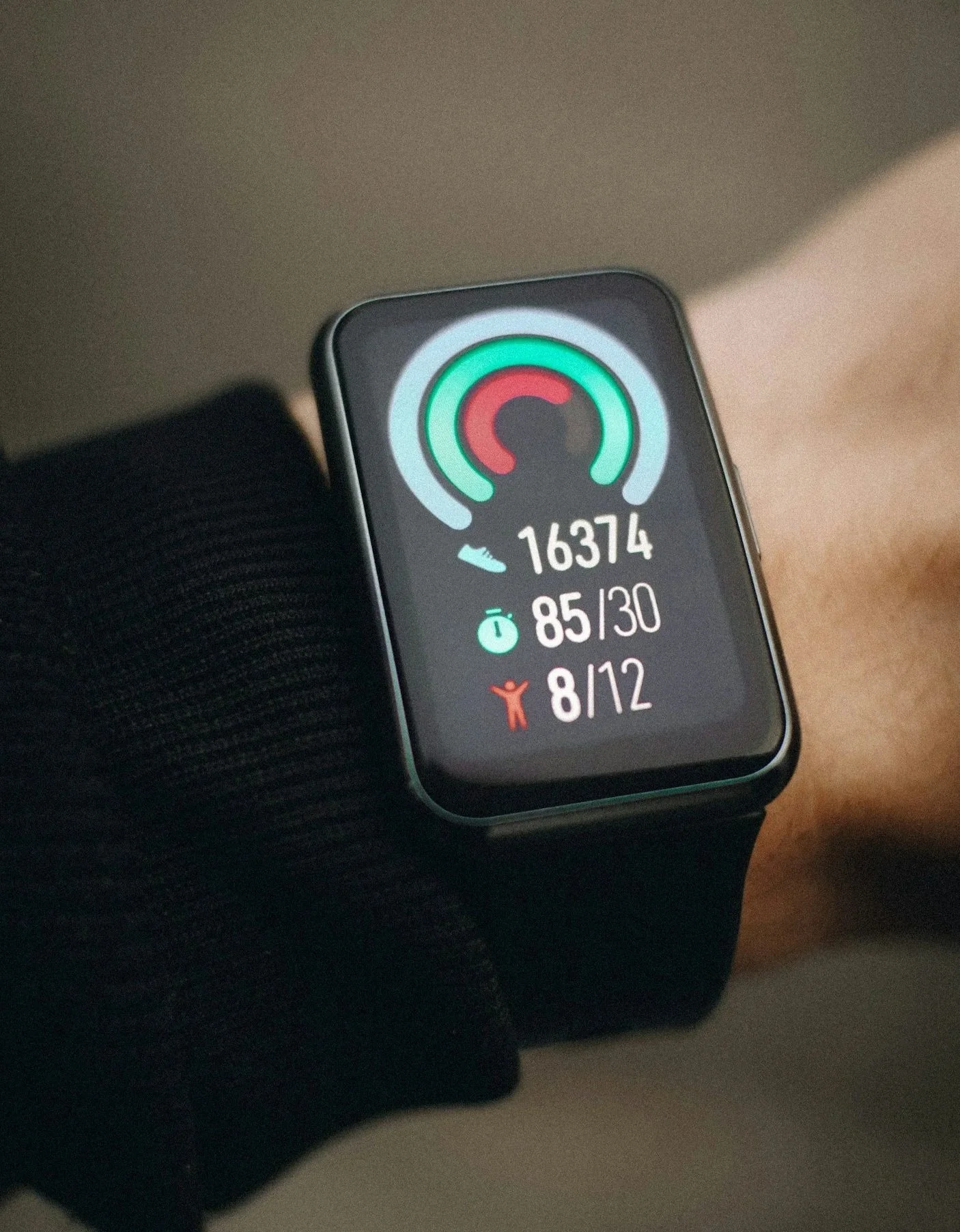
Technology has only deepened that lifeline. Since 2020, I’ve worn devices that gave me insight I could never have gathered on my own—from FitBit to Garmin, both teaching me about sleep, steps, heart rate, and recovery. I cycled through nutrition apps too, from MyFitnessPal to Cronometer, each helping me see how food choices translated into energy, mood, and weight. For habit tracking, I built my own systems: spreadsheets, Google Docs, anything that let me map out what I was doing and notice what I was missing.
Recently, I discovered Google Forms, and it’s been a game changer for this elimination and reintroduction process. With one form set up to email me daily, I can log everything—food, symptoms, sleep—in a single spreadsheet. No more juggling apps or copying data back and forth. Suddenly, the mess of my experience became one picture I could actually analyze.
Tracking doesn’t make the process easy, but it makes it legible. It turns vague frustrations into clear signals. And it does more than organize numbers—it builds trust. Trust that I’m not imagining things. Trust that my body is giving me real feedback. Trust that healing doesn’t require perfection, only attention.
For me, tracking has become more than a tool. It’s a language. It’s how I speak with my own body—and how I’ve finally started to hear it answer back.
Where I Am Now
I don’t see this as the end of anything—only the next step. Healing isn’t about chasing a finish line. It’s about listening more deeply, testing more gently, and using the clarity I gain to move forward with less fear and more faith.
For now, elimination and reintroduction remain my framework. Tracking remains my anchor. And clarity—slow, imperfect, but real—is finally becoming part of my everyday life.
Clarity was what I craved when I first stumbled into keto. It was what I kept losing in the noise of cigarettes, medications, and old habits. And now, it’s what I’ve finally begun to reclaim—one log, one pattern, one day at a time.